
Guiding Educators Toward Lasting School Change
At the Leadership Institute for Educators, we share stories and strategies that help school leaders inspire teams and boost student success every day.
5/8/20241 min read
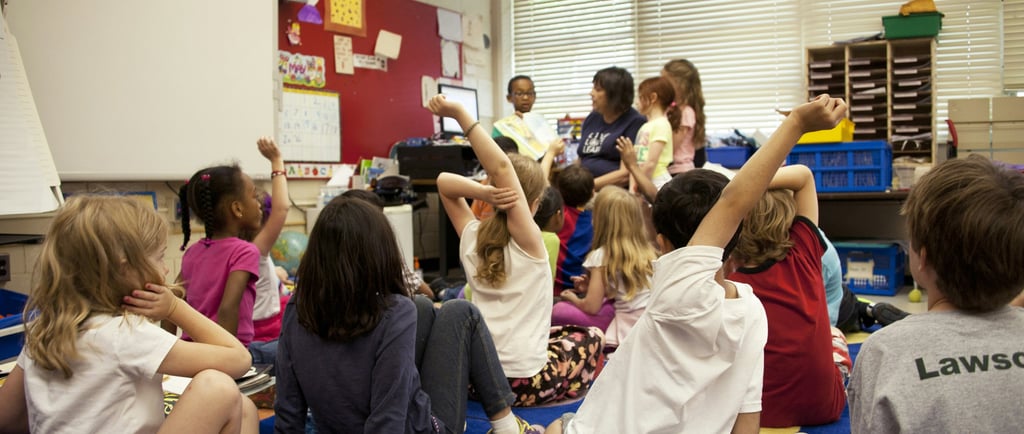

Real school transformation doesn't happen through mandates or quick fixes—it emerges when educators themselves become architects of change. The most successful school improvements share a common thread: they're led by teachers and administrators who've been empowered to identify problems, design solutions, and iterate based on what works in their unique contexts.
Lasting change requires moving beyond surface-level professional development. Instead of one-off workshops, effective guidance creates ongoing cycles of learning where educators experiment with new practices, reflect on outcomes, and refine their approaches. This means building structures for collaborative inquiry—whether through professional learning communities, instructional coaching, or action research projects that give teachers ownership over their growth.
The role of leadership shifts from directive to facilitative. Principals and instructional coaches become partners in the journey, asking powerful questions rather than prescribing answers. They create psychological safety where failure becomes feedback and innovation is celebrated over compliance.
Sustainability comes from embedding new practices into the fabric of school culture. When changes align with educators' values and they see tangible impacts on student learning, momentum builds naturally. Documentation of successes, peer-to-peer sharing, and protected time for reflection help ensure that improvements outlast initial enthusiasm.
The path to lasting school change isn't linear, but when educators are trusted, supported, and given agency, schools don't just adopt new programs—they develop the capacity to continuously evolve.